Commercial Cleaning in Modern Workspaces: Why It Matters, What It Includes, and How to Choose the Right Service
Why Commercial Cleaning Matters for Every Business

Commercial cleaning is more than keeping a building looking neat. It supports health, productivity, brand image, and workplace safety. In offices, retail stores, medical facilities, warehouses, and hospitality spaces, cleanliness sends a strong message about professionalism and care. A clean environment can help reduce dust, germs, odors, and clutter, all of which influence how people feel and perform during the day.
For many businesses, commercial cleaning services are an essential operational investment rather than an optional expense. Employees work more comfortably in a well-maintained space, visitors feel more confident when they enter, and customers are more likely to trust the business. Whether a company needs daily upkeep or scheduled deep cleaning, the right commercial cleaning plan can make a measurable difference.
In addition, modern cleaning practices have evolved to meet higher expectations for sanitation, sustainability, and efficiency. Today’s commercial cleaning teams often use specialized tools, eco-friendly products, and advanced processes designed for different industries. This means businesses can maintain a polished appearance while also supporting healthier indoor environments and longer-lasting surfaces.
What Commercial Cleaning Includes
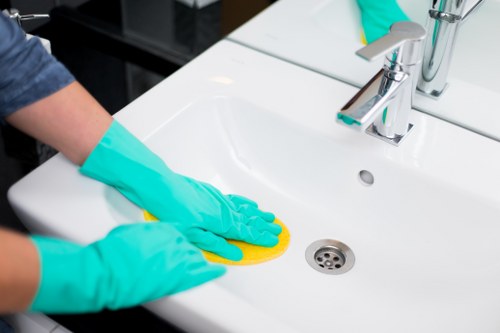
Commercial cleaning can cover a broad range of tasks depending on the property type, building size, and business needs. Some locations require only basic maintenance, while others need more intensive care because of traffic volume, safety standards, or industry regulations. A reliable provider will tailor the scope of work to the space rather than offering a one-size-fits-all solution.
Typical commercial cleaning services may include dusting, vacuuming, mopping, sanitizing high-touch surfaces, restroom cleaning, trash removal, and common-area maintenance. In larger facilities, the work may also involve floor stripping and waxing, carpet cleaning, window cleaning, pressure washing, and post-construction cleanup. Every task contributes to a cleaner, safer, and more professional setting.
Some businesses also request specialized services such as disinfection cleaning, green cleaning, and scheduled deep cleaning. These options are especially useful in workplaces where hygiene is critical or where building materials require careful handling. By selecting the right mix of services, companies can protect both their property and the people who use it every day.
Common Areas Covered by a Commercial Cleaning Team

Most commercial cleaning plans focus on high-use spaces that affect daily operations. Offices, reception areas, conference rooms, kitchens, bathrooms, hallways, elevators, and entryways usually need regular attention. These areas collect dirt quickly because they experience frequent foot traffic and repeated contact throughout the day.
In office settings, commercial cleaning services often include desk-area dusting, trash collection, breakroom sanitation, and keyboard or phone surface wiping where appropriate. In customer-facing properties, teams may also keep glass doors, counters, and seating areas tidy so the space always looks welcoming. The goal is to create consistency without disrupting normal business activities.
Different industries require different priorities. For example, healthcare spaces may focus heavily on disinfection and infection control, while warehouses may emphasize debris removal, safety compliance, and floor care. Retail environments often need polished presentation, while hospitality properties depend on spotless guest areas and restrooms. Matching the service plan to the environment is key to success.
Benefits of Professional Commercial Cleaning
The advantages of professional commercial cleaning go far beyond appearance. A well-maintained facility can support employee morale, reduce the spread of illness, and extend the life of furniture, flooring, and fixtures. When cleaning is done consistently, small problems are less likely to turn into costly issues later.
One major benefit is improved health and hygiene. Dust, allergens, bacteria, and grime can build up quickly in busy workplaces, especially in shared areas. Regular sanitizing and deep cleaning help reduce exposure to these contaminants, creating a fresher and more comfortable environment for everyone who enters the building.
Another important advantage is productivity. Employees are generally more focused and motivated in spaces that feel organized and clean. Cluttered or dirty surroundings can create stress and distractions, while a tidy workplace encourages efficiency. This makes commercial cleaning a practical business decision as much as an aesthetic one.
How Clean Workspaces Support Brand Image and Customer Confidence
First impressions matter, especially in business. When clients, patients, or shoppers walk into a clean property, they immediately associate the company with professionalism and attention to detail. On the other hand, dusty surfaces, overflowing bins, and stained floors can make even a successful business look disorganized.
Commercial cleaning plays a direct role in brand perception. A spotless lobby, fresh-smelling restroom, and polished floors all communicate that the company values quality. This matters in competitive markets where customers often compare businesses based on atmosphere as well as price or service offerings.
For office-based companies, cleanliness also influences recruiting and retention. Talented professionals want to work in spaces that feel safe, modern, and well cared for. For retail and hospitality businesses, the condition of the environment can shape whether people stay longer, return later, or recommend the business to others.
Types of Commercial Cleaning Services
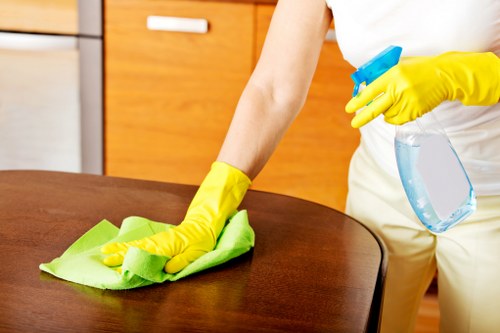
There are many types of commercial cleaning services, and each serves a specific purpose. Understanding these options helps businesses choose the right support for their property. Some services are routine, while others are seasonal, specialized, or triggered by particular events.
- Daily or nightly cleaning: Basic upkeep such as trash removal, vacuuming, and restroom sanitation.
- Weekly cleaning: More detailed dusting, mopping, and touchpoint cleaning.
- Deep cleaning: Thorough cleaning of hard-to-reach or rarely addressed areas.
- Carpet cleaning: Shampooing, extraction, and stain treatment for fiber surfaces.
- Floor care: Scrubbing, polishing, stripping, waxing, and buffing.
- Window cleaning: Interior and exterior glass cleaning for a clear, professional look.
- Disinfection services: Sanitizing high-touch surfaces and high-risk areas.
- Post-construction cleaning: Removal of dust, debris, and residues after renovations or builds.
Businesses can combine these services into a custom schedule based on traffic, industry standards, and budget. A flexible provider can adjust service frequency during busy periods, holiday seasons, or facility changes.
Commercial Cleaning for Different Industries
Commercial cleaning is not limited to offices. Different industries face different challenges, and the cleaning plan should reflect that. A medical clinic, for example, must prioritize sanitation and surface disinfection, while a restaurant may need frequent kitchen and dining-area attention. Industrial properties may require debris removal and safety-focused floor care.
Office cleaning often centers on productivity and appearance. Retail cleaning focuses on customer experience and visual appeal. Industrial cleaning emphasizes safety, equipment surroundings, and compliance. Hospitality cleaning is heavily focused on guest satisfaction and spotless presentation. Each environment benefits from a service model tailored to its daily demands.
This industry-specific approach is one reason professional commercial cleaning remains so valuable. Experienced teams know how to adapt tools, products, and schedules to the unique needs of each facility. That knowledge helps reduce damage, improve efficiency, and deliver better overall results.
Eco-Friendly and Sustainable Cleaning Options
Many businesses now prefer environmentally responsible commercial cleaning practices. Sustainable cleaning focuses on reducing harsh chemicals, lowering waste, and using methods that support indoor air quality. This approach is especially appealing to organizations that want to align operations with environmental values.
Green cleaning may include biodegradable products, microfiber tools, concentrated solutions, refill systems, and efficient water usage. These choices can help limit exposure to strong fumes and unnecessary residues, making the workplace more comfortable for employees and visitors. In many cases, eco-friendly options also support healthier long-term maintenance of surfaces and materials.
Commercial cleaning services that emphasize sustainability can be a smart fit for schools, offices, healthcare settings, and customer-facing businesses. By selecting greener products and processes, companies can demonstrate responsibility while still maintaining high cleanliness standards.
How Often Should a Business Schedule Commercial Cleaning?
The ideal schedule depends on foot traffic, industry type, building size, and sanitation requirements. A small office might need cleaning a few times per week, while a busy clinic or retail store may need daily attention. High-traffic areas often require more frequent maintenance to stay presentable and hygienic.
Many businesses choose a mix of routine and periodic cleaning. For example, a facility might use daily commercial cleaning for trash, restrooms, and floors, plus weekly or monthly deep cleaning for carpets, vents, and detail work. This balanced plan helps preserve the property without overspending on unnecessary services.
Seasonal adjustments are also common. During winter, entrances may need extra floor care because of mud, water, and salt. In flu season or during periods of heightened concern, businesses may increase sanitizing frequency. A good provider should be able to revise the cleaning schedule as needs change.
What to Look for in a Commercial Cleaning Company
Choosing the right provider is just as important as choosing the right services. A reliable commercial cleaning company should understand your industry, communicate clearly, and offer consistent quality. It should also be able to work around business hours with minimal disruption.
When comparing providers, look for experience, training, insurance, flexibility, and a clear service checklist. A trustworthy company will explain what is included, how often tasks are performed, and how quality is monitored. Transparency matters because it helps avoid misunderstandings and ensures that expectations are aligned.
It is also wise to ask about products, equipment, and staff supervision. Professional cleaners should use appropriate tools for each surface and follow safety protocols. If your business prefers green options or has sensitive materials, the provider should be able to adapt accordingly.
Questions to Ask Before Hiring
Before committing to a service, consider asking a few practical questions. These help you evaluate whether the provider can deliver dependable commercial cleaning services for your specific property. Clear answers often indicate professionalism and strong operational standards.
- What types of facilities do you specialize in?
- Can you customize a cleaning plan for our business?
- How do you handle quality control and inspections?
- What cleaning products and equipment do you use?
- Are your cleaners trained for specialized tasks?
- Do you offer daytime, evening, or weekend scheduling?
- How do you handle urgent or unexpected cleaning needs?
These questions can help you compare options more effectively and reduce the risk of mismatched expectations. A provider that answers confidently and clearly is often better positioned to support your workplace long term.
The Role of Technology in Modern Commercial Cleaning
Technology has improved the efficiency and consistency of commercial cleaning. Many companies now use scheduling software, digital checklists, quality-control tracking, and communication tools to keep tasks organized. This makes it easier to ensure that nothing is overlooked and that service is delivered on time.
Equipment advancements also matter. Modern vacuum systems, floor machines, steam tools, and microfiber systems can clean more effectively while using fewer resources. In some facilities, technology may even support touchpoint monitoring or task verification, helping managers maintain higher standards across the entire building.
For businesses, these improvements mean better results with less hassle. Cleaners can work more efficiently, supervisors can review performance more easily, and clients receive a more reliable service experience. The result is a cleaner, safer, and better-managed workplace.
Commercial Cleaning and Workplace Safety
Safety is a major reason many businesses invest in professional cleaning. Slippery floors, dust buildup, spills, and clutter can all contribute to accidents. Regular commercial cleaning services help minimize these risks by keeping pathways clear and surfaces properly maintained.
Restrooms, breakrooms, and shared touchpoints are particularly important because they can affect both hygiene and safety. A well-executed cleaning routine helps reduce contamination, controls odors, and supports overall workplace well-being. In environments where regulations matter, proper cleaning can also support compliance efforts.
Additionally, trained cleaners understand how to use products safely and how to protect flooring, fixtures, and equipment. This matters in places with sensitive materials or high-value assets. Proper care prevents damage and helps businesses avoid unnecessary repair or replacement costs.
How to Build the Right Cleaning Plan for Your Business
The best commercial cleaning plan starts with a clear assessment of your needs. Consider how many people use the space, which areas get the most traffic, and which tasks need daily versus periodic attention. A customized plan is usually more effective than a generic package because it targets the real challenges in your facility.
Start by identifying high-priority zones such as entrances, restrooms, kitchens, workstations, and meeting areas. Then decide how often each area should be serviced. Some businesses also benefit from seasonal deep cleaning or add-on services like carpet extraction or window washing. When the schedule fits the building, results tend to improve quickly.
Commercial cleaning services should also be reviewed regularly. As businesses grow, relocate, or change operations, cleaning needs may evolve. Periodic reassessment helps keep the plan aligned with real-world conditions rather than outdated assumptions.
Cost Factors Businesses Should Understand
Several factors affect the cost of commercial cleaning. Building size, service frequency, surface types, industry requirements, and special requests all play a role. A large facility with multiple restrooms and heavy foot traffic will generally need more labor and more time than a small office with limited use.
Specialized services can also influence pricing. Deep cleaning, floor restoration, disinfection, or post-construction cleanup may require extra equipment or additional labor. While it may be tempting to choose the lowest bid, businesses should also consider reliability, consistency, and scope of service. The cheapest option is not always the most cost-effective in the long run.
Value comes from dependable results, fewer maintenance issues, and a more professional environment. That is why many companies prefer to compare service plans rather than price alone. A well-balanced commercial cleaning solution usually pays off through better presentation and smoother operations.
Why Commercial Cleaning Supports Long-Term Property Care
Regular upkeep does more than make a building look good today. Over time, consistent commercial cleaning helps protect flooring, fixtures, furniture, and surfaces from premature wear. Dirt and buildup can break down materials faster, so routine cleaning is an important part of preservation.
This is especially true for carpets, tile, hardwood, glass, and painted surfaces. Proper maintenance extends the life of these materials and can reduce the need for costly replacements. It also helps maintain a stronger appearance, which is valuable for businesses that want to project stability and professionalism.
In this sense, cleaning is part of asset management. Businesses that invest in quality maintenance often avoid bigger problems later, whether those problems involve damage, odors, or neglected areas. A disciplined schedule can therefore deliver both immediate and long-term returns.
Final Thoughts on Commercial Cleaning in Today’s Business Environment
In a world where customers, employees, and partners expect high standards, commercial cleaning plays a central role in business success. It supports health, safety, appearance, and trust while helping protect the condition of the property itself. From routine maintenance to specialized deep cleaning, the right service approach can make everyday operations smoother and more professional.
Whether your business is a small office, a busy retail location, a medical facility, or a large industrial site, a thoughtful cleaning strategy is worth the investment. Clean environments create better first impressions, improve comfort, and help organizations run more efficiently. That makes commercial cleaning a practical necessity for modern workplaces.
If you are ready to improve the condition of your facility, contact us today to discuss your needs and explore a tailored cleaning plan. Book your service now and give your business the cleaner, safer, and more polished environment it deserves.