Regular Cleaning in Modern Homes and Workspaces: Why It Matters and How to Do It Right
Regular cleaning is one of the simplest ways to maintain a healthier, more comfortable, and more productive environment. Whether it is a family home, a busy office, a retail shop, or a shared commercial space, regular cleaning helps reduce dust, remove germs, improve appearance, and support long-term upkeep. Many people think of cleaning as a quick chore, but consistent cleaning routines can make a major difference in how a space looks, feels, and functions.
In today’s fast-paced world, people want spaces that are not only tidy but also hygienic and welcoming. That is where regular cleaning services and structured cleaning habits come in. A routine approach prevents buildup, saves time, and avoids the stress of tackling deep messes all at once. It also protects furniture, flooring, appliances, and surfaces from premature wear and tear.
From dusting and vacuuming to sanitizing high-touch surfaces, regular cleaning supports daily comfort and long-term property value. It can also improve indoor air quality, reduce allergens, and create a more organized atmosphere. If you want a cleaner, fresher, and more efficient space, developing a consistent cleaning schedule is a smart investment.
What Regular Cleaning Really Means
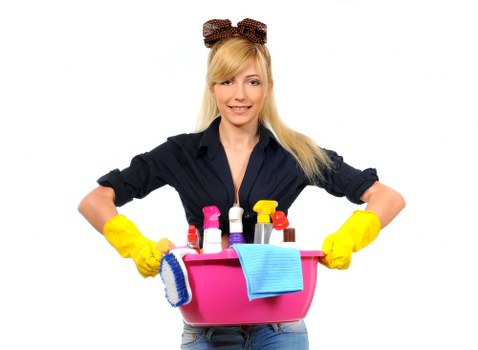
Regular cleaning refers to the repeated maintenance tasks that keep a space tidy, sanitary, and functional. Unlike deep cleaning, which focuses on hard-to-reach areas and heavy buildup, regular cleaning targets everyday dirt, dust, spills, and clutter. These tasks are typically performed daily, weekly, or on another recurring schedule depending on the type of space and level of use.
In residential settings, regular cleaning may include sweeping floors, wiping countertops, cleaning bathrooms, and taking out the trash. In business environments, it often involves sanitizing desks, vacuuming carpets, emptying bins, and keeping shared spaces presentable. The goal is not perfection in a single session, but consistency over time.
It is helpful to think of regular cleaning as the foundation of property maintenance. When routine cleaning is done well, it becomes much easier to avoid stains, odors, pests, and clutter. That means fewer problems, lower maintenance costs, and a better experience for everyone who uses the space.
Why Regular Cleaning Is Important
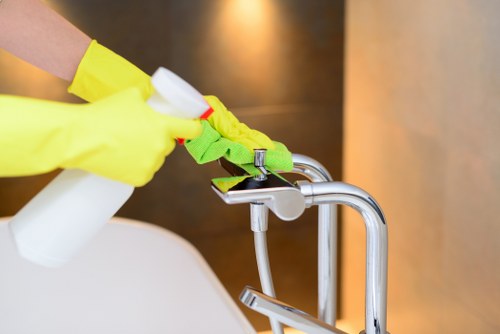
There are many reasons why regular cleaning should be a priority in homes and workplaces. The most obvious is appearance. A clean environment looks more attractive, professional, and inviting. But the benefits go far beyond looks. Regular upkeep helps limit the spread of bacteria and viruses, especially in shared or high-traffic areas.
Another major benefit is health and safety. Dust, mold, pet dander, and other contaminants can accumulate quickly if cleaning is neglected. This can trigger allergies, asthma, and other respiratory issues. Regular cleaning helps reduce these risks by keeping surfaces, floors, and air spaces fresher and healthier.
There is also a financial advantage. Dirt and grime can damage materials over time, leading to stains, scratches, and deterioration. With routine cleaning, you can extend the lifespan of carpets, upholstery, appliances, and fixtures. In many cases, consistent maintenance reduces the need for costly repairs or premature replacements.
Regular Cleaning in Homes: A Daily Comfort Strategy
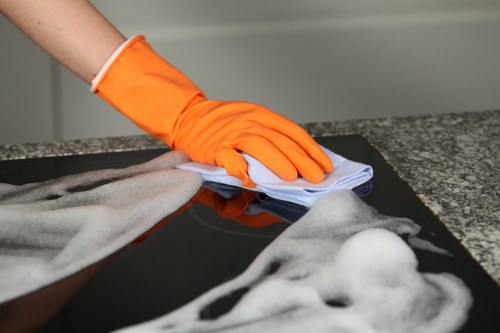
At home, regular cleaning creates a space that feels calm, organized, and enjoyable. Life is easier when the kitchen counters are clear, the floors are clean, and the bathrooms are fresh. A tidy home also makes it simpler to focus, relax, and spend time with family and guests without the distraction of mess.
Households benefit from building cleaning into everyday life. Small tasks done consistently can prevent larger problems later. For example, wiping spills immediately helps avoid stains, while daily dishwashing prevents odors and pests. Dusting surfaces regularly keeps rooms looking brighter and helps maintain better air quality.
Families often find that assigning simple responsibilities makes regular cleaning more manageable. When each person contributes, the workload feels lighter and the home stays cleaner throughout the week. This approach can also teach children responsibility and help them build healthy habits early.
Key Areas to Focus on in Residential Cleaning
While every home is different, some areas always deserve attention during regular cleaning:
- Kitchen surfaces such as counters, sinks, and stovetops
- Bathrooms, including toilets, sinks, mirrors, and floors
- Living areas where dust and clutter gather quickly
- Bedrooms for bedding, nightstands, and floors
- Entryways that collect dirt brought in from outside
- High-touch surfaces like handles, switches, and remote controls
By focusing on these spaces, you can keep your home consistently presentable without spending hours on cleaning every day. The key is to use a routine that matches your lifestyle and the size of your household.
For busy families, it may help to divide chores by day. For example, Mondays could be for dusting, Tuesdays for bathroom cleaning, and so on. This type of schedule makes regular cleaning feel more achievable and less overwhelming.
Regular Cleaning in Workplaces: Supporting Productivity and Professionalism
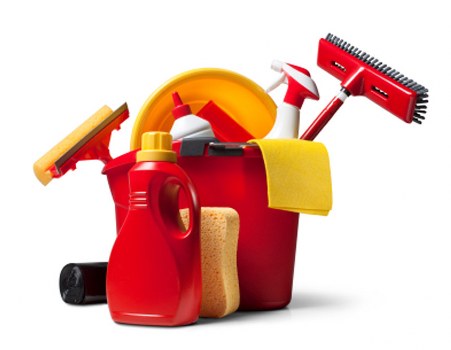
In offices and commercial spaces, regular cleaning has a direct impact on productivity and brand image. Employees work better in clean, orderly environments, and clients are more likely to trust a business that looks well maintained. A cluttered or dirty workplace can create distractions, lower morale, and even affect customer perception.
Workplace cleaning also supports employee wellness. Shared desks, conference rooms, kitchen areas, and restrooms can become hotspots for germs if not cleaned often. Regular sanitation reduces the spread of illness and helps create a safer environment for staff and visitors alike.
For businesses that welcome customers, regular cleaning services are part of the overall experience. A polished floor, dust-free shelving, and spotless restrooms can influence how people feel about the company. Clean spaces communicate care, order, and attention to detail.
Common Workplace Cleaning Tasks
Regular cleaning in a professional setting often includes a combination of daily, weekly, and periodic tasks. Common examples include:
- Emptying trash bins and replacing liners
- Wiping and sanitizing desks, tables, and shared equipment
- Vacuuming carpets and sweeping hard floors
- Cleaning restrooms and refilling supplies
- Dusting shelves, vents, and fixtures
- Cleaning break rooms and kitchen surfaces
- Disinfecting high-touch points such as door handles and switches
Businesses often benefit from professional support because cleaning requirements can vary by industry. For instance, medical offices, retail stores, and corporate spaces may all need different routines. The right plan ensures that regular cleaning remains effective and appropriate.
When a workplace is consistently maintained, employees spend less time dealing with clutter and more time focusing on important tasks. That improved workflow can make a noticeable difference in overall performance.
How Regular Cleaning Improves Health and Hygiene
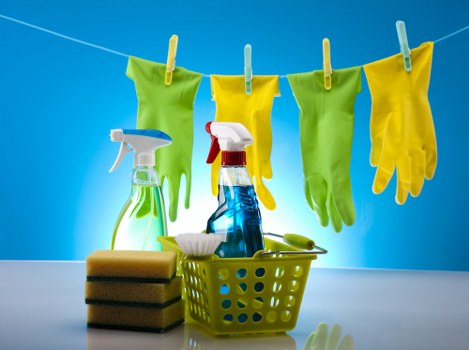
One of the strongest reasons to prioritize regular cleaning is the positive effect on health and hygiene. Dust, bacteria, food residue, and moisture can create a perfect environment for unwanted germs and pests. Routine cleaning interrupts that cycle by removing the conditions that allow contaminants to spread.
Bathrooms and kitchens are especially important because they are used frequently and often involve moisture. Without regular attention, these areas can become breeding grounds for odor, mold, and bacteria. Consistent cleaning helps maintain a safer and more pleasant environment for everyone.
Regular dusting and vacuuming also improve indoor air quality. This matters because poor air quality can contribute to sneezing, coughing, headaches, and discomfort. By reducing dust and allergens, regular cleaning supports easier breathing and greater day-to-day comfort.
Health Benefits of a Clean Routine
Here are some of the most important health-related benefits of regular cleaning:
- Reduces germs on shared surfaces
- Helps control dust and allergens
- Lowers the risk of mold growth in damp areas
- Improves air freshness and indoor comfort
- Supports better mental clarity and reduced stress
When your environment is clean, it often feels easier to think clearly and stay focused. That is why people often notice an immediate boost in mood after tidying up. Clean surroundings can create a sense of control and calm that benefits both work and home life.
If you want to create a healthier environment, regular cleaning should be treated as part of your wellness routine, not just a household task.
Regular Cleaning vs. Deep Cleaning
Although the two are related, regular cleaning and deep cleaning are not the same. Regular cleaning focuses on maintenance and day-to-day upkeep. Deep cleaning goes further by addressing hidden dirt, built-up grime, and neglected areas. Both are important, but they serve different purposes.
Regular cleaning might involve vacuuming, dusting, and wiping visible surfaces. Deep cleaning could include scrubbing grout, washing behind appliances, cleaning vents, or treating areas that have been ignored over time. If routine cleaning is consistent, deep cleaning becomes less demanding and less frequent.
The best results usually come from combining both. In other words, regular cleaning keeps everything under control while deep cleaning resets the space when needed. This balance is especially useful for high-use homes and businesses.
How to Build a Practical Cleaning Schedule
A successful cleaning routine should be realistic and easy to follow. The right schedule depends on the size of the space, how many people use it, and what activities happen there. A simple plan is often the best place to start.
You can divide tasks into daily, weekly, and monthly categories. For example, daily chores might include wiping counters and sweeping floors, while weekly chores might involve mopping, dusting, and bathroom cleaning. Monthly tasks could include cleaning appliances, washing windows, or organizing storage areas.
Consistency is more important than intensity. A short daily effort often works better than a long cleaning session that only happens once in a while. That is why regular cleaning should be built into your routine in a way that feels sustainable.
Sample Weekly Routine
- Monday: Dust surfaces and wipe electronics
- Tuesday: Clean bathrooms
- Wednesday: Vacuum and mop floors
- Thursday: Clean kitchen appliances and counters
- Friday: Organize common areas and remove clutter
- Weekend: Reset, freshen up, and complete any missed tasks
Tip: Start small and adjust the routine as needed. Even a simple cleaning rhythm can make a big impact over time.
Benefits of Hiring Professional Regular Cleaning Services
Many people enjoy handling basic chores themselves, but there are times when professional help makes sense. Regular cleaning services can save time, ensure consistency, and deliver a more detailed finish. This is especially useful for busy households, growing businesses, and spaces with specialized needs.
Professionals bring experience, the right tools, and efficient methods. They know how to clean different materials safely and how to manage tasks in a structured way. That can reduce the risk of damage and improve results. In addition, a professional team can often maintain a schedule that is difficult to achieve on your own.
For business owners, outsourcing cleaning can also improve operational efficiency. Staff members can focus on core responsibilities instead of spending valuable time on maintenance. In many cases, that makes regular cleaning not just convenient, but strategically smart.
When Professional Cleaning Makes the Most Sense
Professional support can be especially helpful when:
- The property has high foot traffic
- Cleaning needs are too large for one person
- There are health or hygiene concerns
- The space must meet a polished presentation standard
- Regular upkeep has become difficult to manage alone
Businesses and homeowners alike often find that professional assistance keeps cleaning standards higher and reduces stress. If your goal is to maintain a consistently clean environment, expert help may be worth considering.
Book your service now if you want a cleaner, fresher space without the pressure of handling everything yourself.
Best Practices for Effective Regular Cleaning
To get the best results from regular cleaning, it helps to follow a few practical habits. First, clean high-use areas more often. Kitchens, bathrooms, and entryways usually need more attention than guest rooms or storage spaces. Second, use the right supplies for each surface to avoid damage and improve efficiency.
Third, work from top to bottom. Dusting shelves before vacuuming the floor prevents you from cleaning the same mess twice. Fourth, keep supplies organized so that cleaning is easier to start and finish. A well-stocked caddy with cloths, sprays, sponges, and gloves can save time.
Finally, pay attention to detail. Regular cleaning works best when you notice small issues before they become bigger ones. A quick wipe, sweep, or disinfecting step can prevent buildup and make the entire space more manageable.
Simple Habits That Make a Big Difference
- Put items back in place after use
- Clean spills immediately
- Use microfiber cloths for dusting
- Sanitize high-touch surfaces often
- Take out trash before it overflows
- Ventilate rooms to reduce stale odors
Regular Cleaning and Long-Term Property Care
One overlooked benefit of regular cleaning is its role in protecting your property over time. Dirt may seem harmless at first, but it can gradually wear down finishes, stain materials, and cause surfaces to age faster. Consistent cleaning helps preserve the appearance and function of the property.
For example, floors that are swept and mopped regularly are less likely to become scratched by grit. Upholstery that is vacuumed often can stay fresher and last longer. Bathrooms that are cleaned routinely are less likely to develop stubborn stains or mold growth. These small efforts add up to major long-term value.
That is why property owners often see cleaning as maintenance rather than just housekeeping. Regular cleaning supports the structure, comfort, and appearance of a space in ways that are easy to overlook but impossible to ignore over time.
Common Mistakes to Avoid
Even with good intentions, people sometimes make cleaning harder than it needs to be. Watch out for these common mistakes:
- Waiting too long between cleaning sessions
- Using the wrong products on delicate surfaces
- Skipping high-touch areas
- Cleaning in a random order instead of a system
- Forgetting hidden spots such as behind furniture or appliances
A smarter approach is to keep the routine simple and steady. If you stay consistent, regular cleaning becomes more efficient and less stressful.
When needed, seek professional support to keep your space at the level of cleanliness you want. Contact us today to explore flexible cleaning solutions that fit your routine and goals.
Final Thoughts on Regular Cleaning
Regular cleaning is more than a task list. It is a practical habit that improves health, supports productivity, protects property, and makes everyday life easier. Whether you are maintaining a home or a workplace, routine cleaning creates a cleaner, safer, and more enjoyable environment.
The best cleaning plans are simple, consistent, and tailored to the space they serve. By staying on top of daily messes and weekly chores, you can avoid bigger problems and enjoy better results all year long. If you need help staying on track, professional regular cleaning services can make the process easier and more reliable.
Clean spaces make a strong impression, reduce stress, and support better living and working conditions. Make regular cleaning part of your routine today, and you will quickly see the difference it makes.
Book your service now and take the next step toward a fresher, healthier, and more organized space.