Communal Area Cleaning: Creating Safer, Cleaner Shared Spaces
Communal area cleaning is one of the most important parts of maintaining a property that feels welcoming, hygienic, and well cared for. Whether the space belongs to a residential block, apartment complex, housing association, office building, or mixed-use property, shared areas shape first impressions every single day. A clean entrance, polished hallway, fresh-smelling lift, and spotless stairwell tell residents, tenants, visitors, and clients that the property is managed properly. In contrast, dirty floors, dusty corners, overflowing bins, and stained touchpoints can quickly make a building feel neglected.
For property managers, landlords, facilities teams, and residents alike, communal area cleaning is not just about appearance. It supports health, safety, hygiene, and long-term property value. Shared spaces collect dirt faster than private spaces because they are used by many people throughout the day. Foot traffic, weather exposure, spills, litter, fingerprints, and airborne dust all build up quickly. That is why regular cleaning of communal areas must be planned, consistent, and thorough.
In this article, we will explore what communal area cleaning includes, why it matters, which tasks should be prioritised, and how a reliable cleaning routine can improve the condition of any shared property. If you are looking for practical information on communal area cleaning services, maintenance standards, or the benefits of professional support, this article will give you valuable insight. Book your service now if your building needs a cleaner and healthier shared environment.
What Is Communal Area Cleaning?
Communal area cleaning refers to the regular cleaning and upkeep of shared spaces in a building or property. These are the areas that multiple people use, often daily, and they usually include entrances, hallways, stairs, lifts, corridors, reception areas, bin stores, and external paths. Because these spaces are shared, the cleaning standards must be higher than in a single-occupancy environment.
The goal of communal area cleaning is to remove visible dirt, reduce germs, prevent unpleasant odours, and keep the property looking presentable. It also helps reduce the spread of bacteria and allergens, especially in high-touch areas such as door handles, railings, buttons, switches, and lobby surfaces. A well-managed cleaning schedule can make a significant difference to the comfort and safety of everyone using the property.
Depending on the type of building, communal area cleaning may be carried out daily, several times a week, or on a tailored schedule. A small apartment block may need basic weekly maintenance, while a busy residential development or office reception may require more frequent attention. The exact plan should always match the level of use, the number of occupants, and the type of surfaces being cleaned.
Why Communal Area Cleaning Matters
There are several reasons why communal area cleaning should be treated as a priority rather than an afterthought. The first and most obvious reason is hygiene. Shared surfaces are touched by many people, which means germs can spread easily. Regular cleaning helps lower this risk and creates a healthier living or working environment.
The second reason is presentation. Shared spaces are often the first part of a building that residents, guests, clients, or prospective tenants see. A tidy entrance and well-maintained corridor suggest that the building is managed responsibly. In property management, first impressions matter, and communal area cleaning plays a direct role in shaping those impressions.
Third, proper cleaning helps protect the property itself. Dust, moisture, mud, and debris can cause wear and tear over time. Floors may become scratched, carpets may stain, and surfaces may deteriorate faster if they are not cleaned regularly. Investing in consistent communal area cleaning can extend the life of materials and reduce future repair costs.
Health and safety benefits
Clean communal areas also support safety. Spills, litter, and clutter can create slip hazards, while poor lighting combined with dirty surfaces can make a space feel neglected and unsafe. Regular cleaning helps identify and address hazards quickly. It also supports compliance with building management expectations and occupational health standards where applicable.
Common Areas That Need Cleaning
Every property is different, but most communal area cleaning plans focus on a similar group of shared spaces. The following areas are typically included:
- Entrance lobbies and foyers
- Hallways and corridors
- Staircases and landings
- Lifts and elevator interiors
- Door handles, push plates, and handrails
- Reception and waiting areas
- Bin rooms and refuse storage areas
- Shared mail areas
- External walkways and pathways
- Car parks, loading bays, and access points
In some buildings, communal area cleaning may also extend to gym spaces, laundry rooms, shared kitchens, meeting rooms, and residents’ lounges. The key is to assess how the building is used and identify the surfaces that attract dirt, bacteria, and clutter most quickly.
High-traffic zones often need the most attention. These are the places where shoes track in dirt, hands leave fingerprints, and bins may overflow. They also tend to show the first signs of neglect. A focused cleaning plan for these spaces helps keep the entire building in better shape.
What a Professional Communal Area Cleaning Service Includes
A professional communal area cleaning service is usually tailored to the property’s layout and usage. However, most services include a mix of dusting, mopping, vacuuming, sanitising, waste removal, and surface polishing. A reliable provider will also work with a schedule that ensures shared spaces remain tidy throughout the week.
Typical tasks may include:
- Vacuuming carpets and mats
- Sweeping and mopping hard floors
- Dusting skirting boards, ledges, and fixtures
- Cleaning glass doors and internal windows
- Sanitising high-touch contact points
- Wiping communal furniture and counters
- Emptying bins and replacing liners
- Removing cobwebs and surface dust
- Spot-cleaning walls and marks
- Checking for litter and debris
Some providers also offer deep cleaning, which is useful for periodic maintenance or after refurbishment work. Deep cleaning may include carpet shampooing, machine scrubbing, pressure washing, or detailed cleaning of hard-to-reach areas. These additional services can help restore communal spaces that have become heavily used or neglected.
When choosing a provider for communal area cleaning, it is sensible to look for flexibility, consistency, and attention to detail. The best teams do more than simply tidy visible areas; they create a clean environment that feels cared for from floor to ceiling.
Why consistency matters
Consistency is essential because communal areas can become dirty very quickly. A one-off clean may improve the appearance temporarily, but it will not maintain standards over time. A structured cleaning rota helps ensure that dirt, dust, and waste are removed before they become noticeable problems. This is especially important in larger buildings where many people move through the space each day.
How Communal Area Cleaning Supports Residents and Occupants
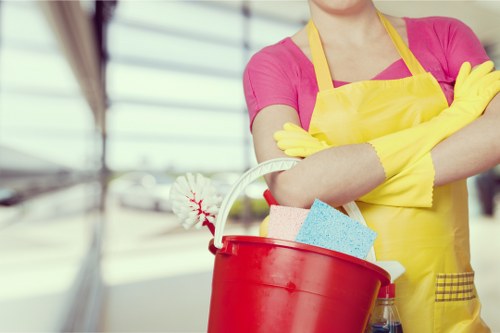
For residents and occupants, the benefits of communal area cleaning are both practical and emotional. People feel more comfortable in a building that looks clean and well maintained. A fresh hallway or spotless entrance can make returning home feel more pleasant, while a clean shared workspace can improve concentration and morale.
There is also a strong link between cleanliness and community standards. When shared spaces are cared for, people are often more likely to respect them. A clean lift or stairwell encourages better behaviour, while neglected areas can lead to more littering and damage. In that sense, communal area cleaning helps set the tone for the entire property.
Another important factor is accessibility. Clean, uncluttered communal spaces are easier for everyone to use, including children, older adults, and people with mobility issues. Clear floors, dry surfaces, and tidy walkways reduce the risk of accidents and make the environment more inclusive.
Psychological and social benefits
A well-maintained shared area can also have a positive psychological effect. People often associate cleanliness with order, safety, and professionalism. For residents in apartment blocks, this can contribute to a stronger sense of pride in their home. For office users, it can support a more productive and welcoming atmosphere.
Clean communal spaces matter because they influence how people experience the entire building. The impact may seem subtle, but over time it becomes highly noticeable. Good cleaning habits create environments that are easier to live in, work in, and manage.
Best Practices for Effective Communal Area Cleaning
There is no single method that suits every property, but there are several best practices that improve the quality of communal area cleaning. These approaches help ensure that shared spaces stay hygienic and visually appealing over time.
- Create a cleaning schedule based on usage levels and building size.
- Prioritise high-touch points such as handles, buttons, and railings.
- Use suitable products for different surfaces, including wood, stone, carpet, vinyl, and glass.
- Inspect problem areas regularly so issues are addressed before they worsen.
- Record completed tasks to maintain accountability and track standards.
- Adjust frequency during wet weather, busy periods, or special events.
These steps can be applied whether the cleaning is managed internally or outsourced. The important thing is to keep the process structured and measurable. Communal area cleaning is most effective when there is a clear routine and a real commitment to quality.
It is also helpful to use environmentally responsible products where possible. Many property managers now prefer cleaning solutions that are effective without being overly harsh. This can support both sustainability goals and occupant comfort, especially in enclosed shared spaces.
Choosing the right cleaning materials
The right materials make a big difference. Microfibre cloths, safe disinfectants, non-slip floor products, and efficient vacuum systems all contribute to a better result. Using the wrong products may damage surfaces or leave residues behind. A trained cleaning team will know how to match methods and materials to the building’s needs.
Challenges in Communal Area Cleaning
Communal area cleaning can be challenging because shared spaces are constantly changing. Weather conditions, occupancy levels, seasonal dust, renovation work, and waste disposal habits all affect the condition of the property. For this reason, cleaning teams must remain adaptable.
One common challenge is heavy foot traffic. Areas near entrances and exits quickly accumulate dirt, especially during rain, snow, or muddy conditions. Mats may need frequent cleaning, and floors may require more than one visit per week. Another challenge is inconsistent usage. Some buildings are quiet during the day but busy in the evening, while others experience unpredictable spikes in movement.
Waste management can also be a problem. If communal bins are not emptied regularly, odours spread and pests may become an issue. Cleaners must therefore check refuse areas as part of the routine rather than focusing only on visible flooring or surfaces.
Handling seasonal changes
Seasonal changes are worth planning for. In autumn and winter, mud, leaves, salt, and moisture create additional cleaning demands. In spring and summer, dust, pollen, and outdoor debris may become more noticeable. A flexible communal area cleaning plan should account for these changes so that standards remain high all year round.
Communal Area Cleaning for Different Property Types
The right approach to communal area cleaning depends on the type of property being maintained. A small residential block, for example, may only require weekly cleaning of stairs, entrance floors, and shared handrails. A large apartment complex, on the other hand, may need daily attention, especially if there are lifts, shared amenities, and multiple entry points.
Residential buildings often benefit from routines that focus on comfort and appearance. Residents expect clean corridors, polished entrances, and odour-free bin areas. In these settings, consistency is especially important because cleanliness directly affects daily living.
Commercial buildings such as offices or business centres may require a more formal and detail-oriented approach. Reception areas, meeting rooms, and toilets may be used by staff and visitors throughout the day, so high standards must be maintained at all times. Clean communal spaces support professionalism and can positively influence client perception.
Mixed-use properties may present the biggest challenge because they combine residential and business requirements. In these buildings, communal area cleaning must be carefully planned to suit different access patterns, occupancy levels, and expectations. Regular communication between property managers and cleaners can help ensure nothing is missed.
Tailored cleaning is more effective
There is no one-size-fits-all answer. The most effective communal area cleaning plans are tailored to the actual environment. This may involve extra attention in winter, increased visits during busy seasons, or specialist cleaning after maintenance work. Customisation is what helps keep standards high without wasting time or resources.
How to Maintain Long-Term Standards
Maintaining high standards over time requires more than occasional cleaning. It involves ongoing inspection, communication, and responsive action. A good communal area cleaning plan should include regular reviews so that any issues can be corrected quickly. This is particularly important in large buildings where multiple people may report the same problem from different angles.
Property managers can support long-term standards by encouraging residents or occupants to keep shared spaces tidy. This might include reminders about bin use, recycling, litter disposal, and reporting damage promptly. While cleaners are responsible for professional upkeep, everyone using the space plays a part in keeping it in good condition.
Routine checks are also valuable. A short inspection after cleaning can confirm that floors are dry, touchpoints are sanitised, bins are emptied, and no obvious mess remains. This small step helps maintain quality and ensures the work done meets expectations.
Professionalism matters in communal area cleaning because the service reflects on the overall management of the building. When residents or visitors consistently see clean, well-kept shared spaces, trust in the property management team grows. That confidence can make a real difference in how the building is perceived.
The role of communication
Clear communication between cleaners, managers, and occupants helps avoid misunderstandings. If a spill is reported quickly, it can be removed before it becomes a hazard. If a particular area needs more frequent attention, the schedule can be adjusted. Open communication supports better results and fewer complaints.
Benefits of Hiring Professional Communal Area Cleaning Services
Although some buildings rely on in-house staff or resident arrangements, hiring professional communal area cleaning services often brings the best results. Professionals bring experience, efficiency, and the right equipment for different cleaning tasks. They also understand how to work discreetly and reliably in shared environments.
Key benefits include:
- Higher cleaning standards
- Reliable scheduling
- Trained staff with proper procedures
- Access to specialist equipment
- Better hygiene in high-touch areas
- Reduced workload for property managers
- Improved building appearance
- More consistent long-term maintenance
Professional support can also be cost-effective. By preventing the build-up of dirt and damage, regular cleaning can reduce the need for expensive repairs and deep restoration. In that sense, communal area cleaning is not just an expense; it is a practical investment in the condition and value of the property.
If your building is struggling to keep up with shared-space maintenance, now is the right time to act. Contact us today to improve standards and create a cleaner, more inviting environment for everyone who uses the property.
Final Thoughts on Communal Area Cleaning
Communal area cleaning plays a vital role in the overall care of any shared building. It supports hygiene, safety, presentation, and long-term maintenance. More than that, it shapes how people feel about the space they live or work in every day. Clean communal areas create confidence, comfort, and a stronger sense of pride in the property.
Whether the space is a residential block, office building, or mixed-use development, the right cleaning routine can make a visible and lasting difference. From entrances and lifts to stairwells and bin stores, every part of the communal environment benefits from thoughtful and consistent care.
By prioritising regular maintenance, using the right methods, and responding quickly to issues, property owners and managers can keep shared spaces in excellent condition. For anyone looking to improve their building standards, communal area cleaning remains one of the most effective ways to achieve a cleaner, safer, and more professional environment. Book your service now and take the first step toward better shared-space management.