Deep Cleaning in the Modern Home: What It Is, Why It Matters, and How to Do It Right
Deep cleaning is more than a quick tidy-up or a weekly reset. It is the kind of thorough cleaning that reaches the hidden, overlooked, and high-touch areas that standard cleaning routines often miss. Whether you are preparing for a special event, moving in or out, refreshing a busy household, or simply wanting a healthier space, deep cleaning can transform the way a home looks, feels, and functions.
For many people, the phrase deep cleaning brings to mind scrubbing floors, polishing surfaces, and removing dust from corners. While those tasks are part of it, the real value of deep cleaning is in the details. It targets buildup, restores freshness, and helps maintain a more sanitary environment over time. It also supports a cleaner indoor atmosphere, which can make daily living more comfortable for everyone in the household.
In this article, we will explore what deep cleaning includes, where to focus your efforts, how to create a smart cleaning routine, and why it can be an excellent investment for your home or workplace. If you have ever wondered how deep cleaning differs from regular cleaning, or how often it should be done, you will find practical answers here. Let’s break it down in a clear and useful way.
What Deep Cleaning Really Means

Deep cleaning refers to a detailed and intensive cleaning process designed to remove dirt, grime, allergens, and buildup from areas that are often neglected during routine cleaning. Unlike daily or weekly chores such as wiping counters or vacuuming visible floors, deep cleaning focuses on the spaces behind furniture, under appliances, inside cabinets, and around fixtures where residue tends to accumulate.
This type of cleaning is especially important because the hidden parts of a space can quietly affect how clean the entire home feels. A room may look neat on the surface, yet still contain dust, grease, soap scum, and bacteria in areas that are not immediately visible. Deep cleaning helps reset the environment so everything feels fresher and more organized.
Another key difference is that deep cleaning is typically less frequent but more thorough. It is not about speed. It is about precision, attention, and a methodical approach that reaches all the places normal cleaning skips. When done properly, deep cleaning can improve the comfort, hygiene, and appearance of any space.
Why Deep Cleaning Is Important
There are several reasons why deep cleaning matters beyond making a space look nice. First, it supports a healthier environment by reducing dust, pet dander, mold-prone buildup, and other particles that can affect indoor air quality. This is particularly valuable for homes with children, older adults, allergy sufferers, or pets.
Second, deep cleaning helps protect surfaces and fixtures. Grease on kitchen cabinets, soap residue in bathrooms, and grime on tile grout can wear down materials over time. By addressing buildup early, you can extend the life of countertops, flooring, appliances, and plumbing fixtures. In this sense, deep cleaning is not just about appearance; it is also about maintenance.
Third, a deep-cleaned space often feels mentally refreshing. A clean home can reduce stress, improve focus, and create a more peaceful atmosphere. Many people find that after a full deep cleaning session, their home feels more inviting and easier to manage day to day.
Common Situations That Call for Deep Cleaning
There are moments when deep cleaning becomes especially useful. For example, after a renovation, before hosting guests, during seasonal changes, or after illness. It is also a smart choice when moving into a new home or preparing to leave one behind.
- Seasonal cleaning in spring or fall
- Move-in or move-out cleaning
- Post-renovation cleanup
- After extended travel or vacancy
- Before holiday gatherings or special events
Rooms That Benefit Most from Deep Cleaning

Every room in a home can benefit from deep cleaning, but some spaces need extra attention because they collect dirt and moisture more quickly. Kitchens and bathrooms are the most obvious examples, as they are high-use areas that often develop grease, soap scum, and bacteria buildup. Bedrooms, living rooms, entryways, and utility spaces also need periodic attention to stay truly clean.
The kitchen is a prime candidate for deep cleaning because it includes appliances, cabinet fronts, counters, sinks, backsplashes, and floors that see constant use. In bathrooms, scrubbing tile, disinfecting surfaces, cleaning drains, and removing buildup around fixtures can dramatically improve the room’s hygiene and appearance.
Living rooms and bedrooms may appear cleaner than kitchens and baths, but they still collect dust, allergens, and debris in fabrics, corners, vents, and under furniture. A deep cleaning of these areas often includes vacuuming upholstery, wiping baseboards, washing curtains, and dusting ceiling fans.
Kitchen Deep Cleaning Focus Areas
- Inside and outside of cabinets
- Behind and under appliances
- Stovetop, oven, and microwave interiors
- Sink, faucet, and drain areas
- Countertops, backsplash, and floor edges
Bathroom Deep Cleaning Focus Areas
Bathrooms require special care because they combine moisture, soap residue, and regular skin-contact surfaces. Toilets, tubs, showers, mirrors, vents, and floors all need close attention during a deep cleaning routine.
How Often Should Deep Cleaning Be Done?
The ideal schedule depends on the size of the home, the number of occupants, and lifestyle factors such as pets, cooking frequency, and allergies. In general, many households benefit from a full deep cleaning every three to six months, while high-traffic spaces may need targeted attention more often.
A family with children and pets may need a more frequent routine than someone living alone in a smaller apartment. Likewise, homes with open floor plans, heavy kitchen use, or multiple bathrooms may accumulate dirt more quickly. Seasonal deep cleaning is a practical way to stay ahead of buildup without feeling overwhelmed.
The best schedule is the one that matches your needs. Some people prefer doing a large deep cleaning twice a year, while others break it into smaller monthly projects. Either approach can work well as long as the areas most likely to collect grime are addressed regularly.
Signs It Is Time for a Deep Cleaning
- Dust returns quickly after regular cleaning
- Rooms smell stale even after airing out
- Bathroom grout or kitchen surfaces look dull
- Allergies seem worse indoors
- Cabinets, corners, and baseboards show visible buildup
Helpful Rule of Thumb
Deep cleaning should happen before dirt becomes embedded or difficult to remove. Waiting too long makes the job harder and can increase wear on surfaces.
Tools and Supplies That Make Deep Cleaning Easier

Having the right supplies can make deep cleaning much more efficient. You do not need a closet full of specialty products, but you do need a practical set of tools that can handle different surfaces and cleaning challenges. When everything is organized in advance, the process becomes smoother and less time-consuming.
A basic deep cleaning kit usually includes microfiber cloths, a vacuum with attachments, a mop, scrub brushes, a bucket, gloves, a duster, and cleaning solutions suitable for different materials. You may also want a grout brush, an extendable duster for high corners, and a small detailing brush for vents, tracks, and crevices. Preparation saves time and helps you clean more effectively.
It is also wise to choose products based on the surface you are cleaning. For example, granite requires different care than laminate, and stainless steel needs a different approach than tile. Using the wrong product can cause streaking, scratching, or damage, so always check labels and test gently when needed.
Recommended Deep Cleaning Supplies
- Microfiber cloths and dusters
- All-purpose cleaner
- Glass cleaner
- Degreaser for kitchen surfaces
- Bathroom cleaner for soap scum and mineral buildup
- Scrub sponge and non-abrasive pads
- Vacuum with crevice and upholstery attachments
- Rubber gloves and trash bags
Tip for Better Results
Work from top to bottom so dust and debris fall onto areas you have not cleaned yet. This simple method makes deep cleaning more logical and efficient.
Step-by-Step Approach to Deep Cleaning a Home
While every home is different, a structured approach helps keep the work manageable. A good deep cleaning routine starts with decluttering, then moves to dusting, scrubbing, vacuuming, and wiping surfaces. Tackling one room at a time is usually the easiest way to stay focused and see progress.
Begin by removing items that are in the way. Clear counters, lift small decor pieces, and move lightweight furniture when possible. This gives you access to hidden areas and prevents you from simply cleaning around clutter. Once the space is open, dust high surfaces, clean vents, and address ceiling fans, light fixtures, and window sills.
From there, focus on the main surfaces in each room. In the kitchen, that means counters, appliances, and cabinet fronts. In the bathroom, it means sinks, tubs, showers, toilets, and mirrors. In bedrooms and living areas, it means furniture, baseboards, flooring, and fabrics. A well-planned deep cleaning session should feel systematic rather than random.
Simple Room-by-Room Workflow
- Declutter and remove loose items
- Dust top surfaces and fixtures
- Clean walls, windows, and sills as needed
- Scrub targeted buildup areas
- Vacuum upholstery and floors
- Finish with disinfecting and polishing
Consistency matters. If you use the same process each time, deep cleaning becomes easier to repeat and less mentally draining.
Deep Cleaning the Kitchen for Maximum Freshness
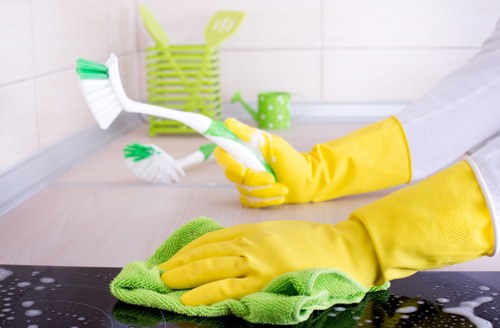
The kitchen is often the heart of the home, but it is also one of the fastest places for grime to build up. Grease from cooking can settle on cabinets, backsplash surfaces, and range hoods. Food crumbs fall into corners and appliance edges. Spills can harden on stovetops or inside the refrigerator. Because of all this activity, deep cleaning the kitchen is one of the most worthwhile household tasks.
Start with the refrigerator by removing expired items and wiping shelves, drawers, and door seals. Then move to the oven, microwave, and stovetop. These appliances often need degreasing, scrubbing, and detailed attention around knobs, handles, and seams. Do not forget cabinet doors, drawer fronts, and the tops of upper cabinets, where dust and grease can combine.
Finally, clean the sink area thoroughly. Scrub the basin, polish the faucet, and clear the drain area of buildup. Finish by sweeping and mopping the floor, especially along edges and under movable furniture or appliances. A thoroughly deep cleaned kitchen looks brighter, smells cleaner, and feels more pleasant to use.
Kitchen Cleaning Priorities
- Remove grease from high-touch surfaces
- Clean inside refrigerator and freezer compartments
- Degrease stovetops and range hoods
- Wipe cabinet handles and backsplash tiles
- Scrub sink, drain, and faucet fixtures
Why Kitchens Need Extra Attention
Because food preparation happens here daily, even small buildup can affect cleanliness quickly. Regular deep cleaning helps keep the space sanitary and visually appealing.
Deep Cleaning the Bathroom for Hygiene and Shine
Bathrooms need more than a quick wipe-down to stay truly clean. Moisture creates the perfect conditions for soap scum, mildew, and mineral deposits to form on tiles, glass, sinks, and fixtures. A proper deep cleaning routine addresses these issues before they become stubborn or unsightly.
Begin with the shower and tub. Remove bottles and accessories, then scrub surfaces with a cleaner designed for bathroom buildup. Pay special attention to grout lines, corners, drain covers, and glass doors. Next, clean the toilet thoroughly, including the base, hinge area, and surrounding floor. Then move to the sink, mirror, countertop, and cabinet fronts.
Do not overlook small details such as towel bars, light switches, baseboards, and exhaust fans. These areas often carry dust and residue that can make the entire room feel less clean. A polished bathroom creates a strong impression and contributes to a more hygienic home overall.
Bathroom Deep Cleaning Checklist
- Scrub tub, shower walls, and glass doors
- Remove soap scum and mineral deposits
- Clean toilet interior, exterior, and base
- Wipe mirrors, counters, and sink fixtures
- Dust vents, fans, and light switches
- Disinfect high-touch points
Deep cleaning in the bathroom is especially valuable because it supports both comfort and hygiene in one of the most frequently used rooms in the home.
Bedrooms, Living Areas, and Hidden Spots

Bedrooms and living rooms may not seem as dirty as kitchens or bathrooms, but they still require periodic deep cleaning. These spaces collect dust in fabric, furniture seams, baseboards, vents, and behind heavy pieces that are rarely moved. Over time, this buildup can affect the freshness of the entire home.
In bedrooms, deep cleaning often includes washing bedding, vacuuming under the bed, dusting furniture, wiping mirrors, and cleaning closet floors. In living rooms, focus on sofas, chairs, rugs, side tables, shelves, and electronics. Lamps, ceiling fans, and curtain rods are also common dust collectors. A solid deep cleaning routine helps these spaces feel calmer and more inviting.
Hidden spots are especially important. Under couches, behind dressers, along baseboards, and inside closet corners are all places that can gather dust and debris unnoticed. If you want a truly refreshed home, these are the details that matter most. Small neglected spaces can influence the feel of the whole room.
Overlooked Areas Worth Cleaning
- Behind sofas and beds
- Under appliances and furniture
- Closet shelves and floor corners
- Window tracks and sills
- Air vents and return covers
- Light fixtures and ceiling fan blades
Smart Habit
Each time you deep clean, include at least one hidden area you normally skip. Over time, this keeps your whole space in better condition.
Benefits of Professional Deep Cleaning Services
Some homeowners enjoy doing their own cleaning, while others prefer to hire professionals for larger or more demanding jobs. Professional deep cleaning services can be a smart option when time is limited, when a property needs special attention, or when the level of buildup is too much for a regular household routine.
A professional team typically brings experience, specialized equipment, and an efficient process. That can be especially helpful for hard-to-reach areas, stubborn grime, or homes that need a complete reset. Choosing professional deep cleaning can save time and deliver a more detailed result, particularly for busy households or larger properties.
Even if you handle most of your cleaning yourself, bringing in professionals occasionally can help maintain high standards. It is a practical way to supplement your routine and address areas that need extra expertise or stronger methods. Book your service now if you want a fresh start without the stress of doing everything alone.
When Professional Help Makes Sense
- After a move or renovation
- When time is limited
- For stubborn buildup or stains
- Before major events or seasonal transitions
- When you want a reset without the workload
Professional service can be a practical solution, especially when quality, speed, and detail all matter at once.
How to Maintain Results After Deep Cleaning
A successful deep cleaning session should lead to a cleaner home for weeks or months, not just one day of freshness. To make the results last, build simple maintenance habits into your regular cleaning schedule. Small actions go a long way when they are done consistently.
Start by wiping high-touch surfaces frequently, such as counters, handles, switches, and faucets. Vacuum and sweep on a regular basis to stop dust and debris from spreading. Keep clutter under control so deep cleaning sessions are easier in the future. If you stay on top of everyday messes, your next deep cleaning will be much simpler.
It also helps to rotate tasks. Instead of waiting until everything is overdue, focus on one area each week. For example, one week you can clean baseboards, the next you can handle vents or under-furniture dust. This balanced approach supports long-term cleanliness without becoming overwhelming.
Maintenance Tips That Work
- Wipe spills immediately
- Use doormats to reduce tracked-in dirt
- Run exhaust fans in kitchens and bathrooms
- Declutter regularly
- Schedule recurring cleaning tasks by room
Long-Term Payoff
When maintenance becomes routine, deep cleaning takes less time and produces better results. The home stays fresher, more organized, and easier to enjoy.
Final Thoughts on Deep Cleaning
Deep cleaning is one of the most effective ways to restore freshness, improve hygiene, and protect the surfaces in your home. It reaches the areas that routine cleaning cannot always address, making a noticeable difference in how your space looks and feels. From kitchens and bathrooms to bedrooms, living rooms, and hidden corners, every part of the home benefits from detailed care.
Whether you prefer to do it yourself or rely on professionals, deep cleaning should be a regular part of home care. It supports comfort, reduces buildup, and helps create an environment that feels healthier and more inviting. For households that want better results with less stress, the answer is simple: Contact us today to explore a professional solution that fits your needs, or Book your service now and enjoy a cleaner, fresher home.
Deep cleaning is not just a task; it is a reset for your space and a smart investment in everyday living.